Want to live better for longer?
Why bone health is so important for health span
If you've been here for any length of time, you'll know that I'm passionate about making sure we all live the best life we can, for as long as possible. Although I'm not particularly interested in all those tech-bro style "longevity-hacks".
Rather, I'm interested in things that'll move the needle on health span or healthy life expectancy - the period where you're able to live your life in good health. Because there's a difference between lifespan and health span. Statistically speaking, a woman of my age today could expect to live to 87 (see calculator below) with a 47% chance of living to age 90.
However, the stats say that my healthy life expectancy (based on age now, area I live, and gender) takes me to about age 78 meaning living the last nine years of life in poor health.
Err, no thank you.
And "no, thank you" to broken bones.
Over 50% of women over 50 are likely to break a bone. Of those women, 24% of them will die within one year; while for those who survive, the risk of a second fracture rises by 86%.
This significantly reduces your health span and makes pretty grim reading, right?
Especially if you've already had a DEXA scan and it's identified that you have low Bone Mineral Density (BMD) aka osteopenia or osteoporosis.
Fractures aren't just down to low BMD
The good news is that osteoporosis isn't the sole driver of whether you break a bone.
And the bad news? Just because you don't have low BMD doesn't mean you're home clear.
What fracture research is starting to show is that there're lots more risk factors than previously understood — and some of them carry more predictive weight than low BMD alone:
- Falls.
- Frailty.
- Neuromuscular function.
- Muscle strength.
- Balance.
- The ability to recover from a stumble before it becomes a fall.
Top of the list there was "falls" but again, that's not the whole story. You can have low BMD, take a fall and NOT break a bone, because the research indicates that the direction you fall in really matters!
Falling directly sideways onto your hip produces fractures at much higher rates than falls in other directions.
And what determines if that sideways fall leads to a broken hip?
The height of the fall; how quickly your body's moving; whether you're able to slow or redirect yourself; and whether you can get a hand or arm out to absorb the impact.
That's to say: You didn’t fall because you tripped. You fell because you couldn’t recover.
Meaning, your ability to recover from a stumble (to catch yourself, redirect, absorb impact, find your footing) isn't driven by your BMD. It's about your balance, reaction speed, coordination, muscle power, and your ability to sense and respond to your body’s position in space (sense of proprioception).
It's not just falls though.
Yes, falls was top of the list. But next on the list was "frailty".
Frailty syndrome's a medical condition with 5 indicators. If you have three, then you're considered frail:
- Unintended weight loss.
- Muscle weakness.
- Exhaustion.
- Slow walking speed.
- Low physical activity.
Over recent years, frailty's been identified as a stronger predictor of fracture over and above low BMD with almost double the fracture risk of non-frail adults. Even "pre-frail" adults had an elevated risk with fractures across these two populations increasing not only at the hip, but in the vertebrae and in arms and legs.
Frail bodies are depleted bodies without the resources to recover from a fall or from treatment, meaning they're less likely to survive a fall or a hospital stay.
How about some good news?
That was all a bit depressing. So here's some great news.
Yes, you can take medication to slow bone loss that can reduce fracture risk in certain populations. But unfortunately there's no pill that can rebuild muscle strength, balance, coordination, reaction speed, and physical vitality.
Buuuuuut, you know what can? Movement!!!
This means that while you should certainly have a DEXA scan if invited, it isn't the end of the story for you if it indicates low BMD.
Rather, you should be asking yourself: “How resilient is my body? How capable? How ready to absorb, respond, and recover?
Things you can do to help yourself get a more resilient body?
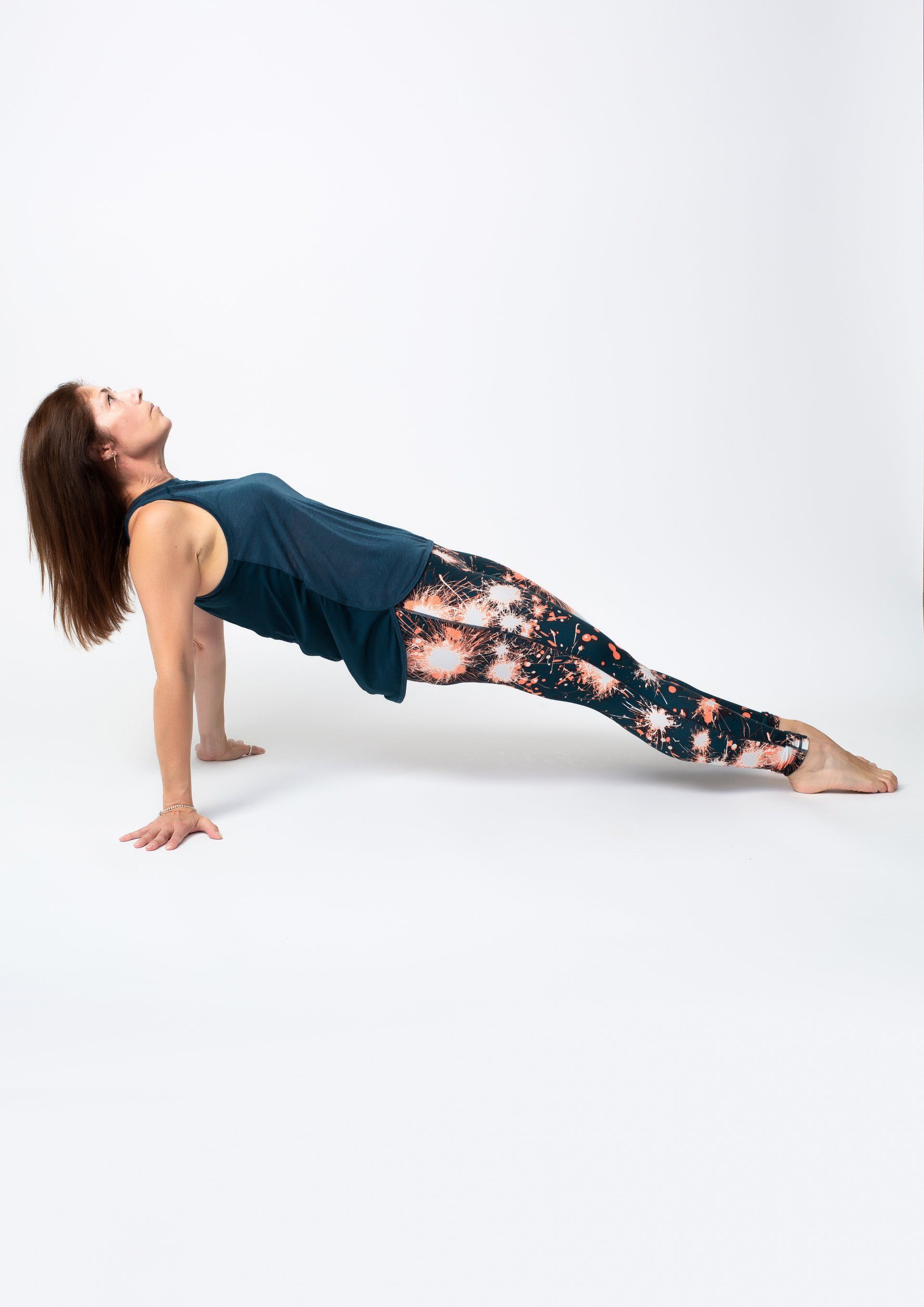
- Pilates and/or yoga for balance, proprioception, coordination. These are a great place to start if you haven't done anything for a while.
- Walk faster/ jog/ run to improve physical vitality.
- Add movement that changes direction and speed like netball, tennis or step classes.
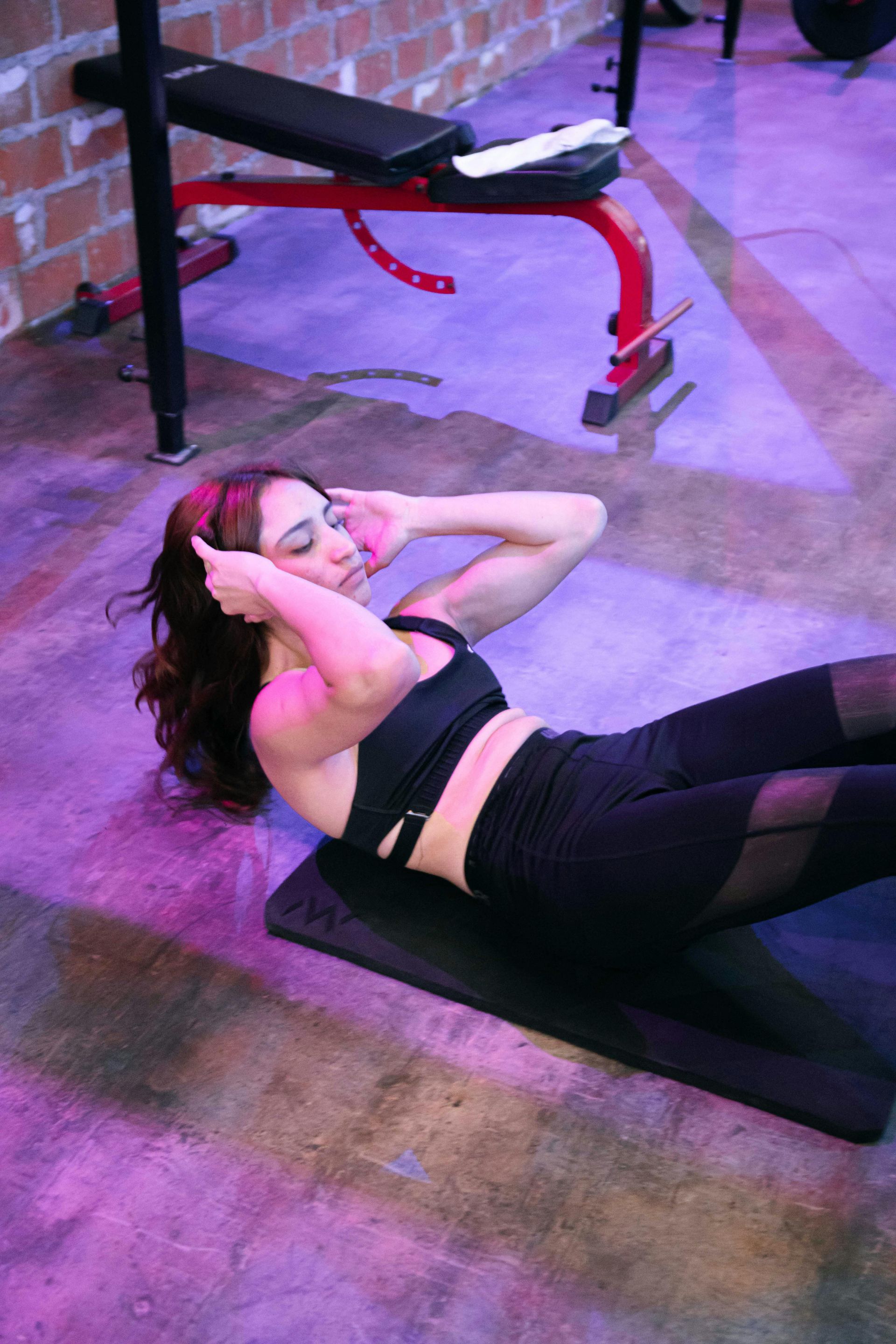
- Lift weights to improve muscle strength and bone density.
- Add jumping to improve bone density and confidence.
- Agility work to improve confidence, reaction speed, proprioception and coordination.
- Eat enough protein (1- 1.2g per kg of bodyweight, spread across the day's meals) to ensure you're providing fuel to build muscles and bones.
And if you've been here any length of time, you already know that when we change one thing, we change everything! Because not only does movement reduce your risks of broken bones, it improves your cardiovascular and mental health, while reducing your risks of dementia, metabolic diseases like diabetes, and cancer. Boom!
Moving regularly is your best predictor of a longer health span to match your lifespan.
If you're already doing all the things - carry on!! If you're not, then I'm here to help!
Want to try one of our fabulous five-week Goodbye Achy Back Pilates classes? These are a fab place to start your Pilates journey. Add your name to the Priority Wait List here to be first to hear when booking's open.
Need to add any of the other things on the list above for a resilient body? Check out the Virtual Studio for instructor-led fitness classes you can do in the privacy of your own home (Strength & Stretch, Step, PiYo).
Read more
ONS UK Life Expectancy Calculator
Healthy Life Expectancy Table [This is an excel sheet download. Go to tab 2 and filter on female, area name and age group]
Frailty, sedentary behaviours and risks of fractures